On Cap d’Antibes, the great estates hide behind pines and stone walls. To see something other than gates, you only have to go down to the sea: a path follows the shore, and the old town of Antibes keeps, in its château, the studio that Picasso set up there in 1946. This day links the two.
The spirit of the outing
Cap d’Antibes is a wooded peninsula, more discreet than its neighbours, where you pass from sandy beach to rocks within a few hundred metres. Antibes, a few minutes away, is an old town turned towards its harbour, with its ramparts, its market and a museum devoted to Picasso.
In 1946 the artist was able to set up in the Château Grimaldi, which houses the museum today. He painted and drew there for a few months, and that stay remains bound to the town: it is why his works can be seen in the very place where they were made.
The itinerary of the day
The plan assumes you leave the hotel around 9.30 a.m., on foot or with a chauffeur who drops you at the start of the path. Times are approximate.
9.30 a.m. – The Cap d’Antibes coastal path
The path follows the rocky coast, with views over the bay and, in clear weather, to the summits of the Alps. Depending on the variant, allow 5 to 8 km, or 1 hour 15 minutes to about 3 hours with breaks. The climb is slight, but the ground is rocky in places: bring flat shoes and water. Swimming depends on sea conditions and permitted areas.
12.30 p.m. – Antibes: the old town, the ramparts and the harbour
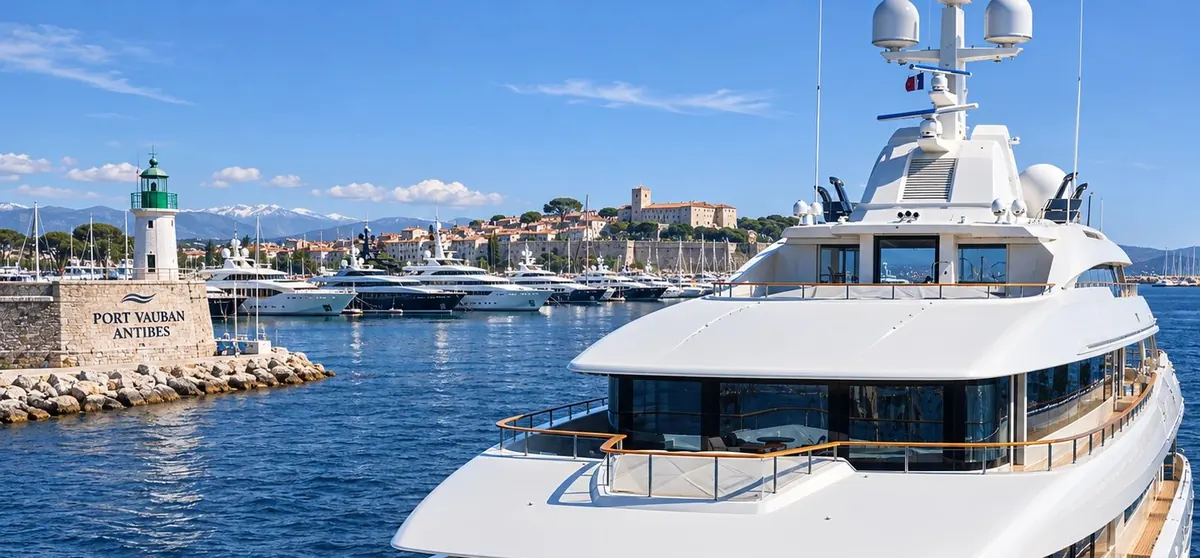
The Provençal market and its stalls are among the landmarks of the old town; its days and hours vary with the season, so check them. Take time to walk along the ramparts as far as Port Vauban, where large yachts are moored.
2.30 p.m. – The Picasso Museum in the Château Grimaldi
The museum occupies the château, which overlooks the sea, and presents the works Picasso made there in 1946, together with those of other artists linked to the town. It is generally open from 10 a.m. to 6 p.m. and closed on Mondays depending on the period: check the museum’s official website before choosing your day. Allow an hour to an hour and a half for the visit.
5 p.m. – Back to the Cap
At the end of the day, the light on the sea is at its softest from the château terrace or from the Cap. Dinner at the hotel, or a walk before nightfall.
Who this outing is for, and when to go
- Lovers of modern art who want to see a work in its context.
- Occasional walkers: the path is easy, but exposed to the sun.
- From spring to autumn: this is when the path and swimming are most pleasant. In July and August, set out early to avoid the heat and the crowds; in winter, favour the museum.
Conclusion
Cap d’Antibes and the old town tell of two Rivieras: that of the great villas, and that of a harbour where artists worked. To extend your stay, see our day between Èze, Villefranche and Cap-Ferrat or our article on Saint-Paul-de-Vence.
Sources consulted in November 2026: Antibes Juan-les-Pins Tourist Office, Provence-Alpes-Côte d’Azur Tourisme, coastal path hiking sheets. Opening hours and openings are subject to change: check them before you leave.
This blog is published by Vehira, a VTC (chauffeur-driven vehicle) company. Links to maison-vehira.fr lead to our website. Information checked in November 2026; journey times are indicative and vary with traffic.