Cannes was for a long time a modest village of fishermen and monks. It only took off in the 19th century, when Lord Brougham settled there, and became world-famous only with the Film Festival. Here are the dates that tell this story, and how to find them on the ground.
Le Suquet and the Lérins islands
The history of Cannes cannot be separated from that of the Lérins islands, Sainte-Marguerite and Saint-Honorat, a few oar strokes from the coast.
- 426-429: Saint Honoratus accepted the archbishopric of Arles in 426 and died in 429.
- 1030: the deed of donation that created the territory of the future commune mentions a castle on the Le Suquet hill.
- 1635: the Spanish took possession of the Lérins islands.
- 1687: the mysterious Man in the Iron Mask arrived at the royal fort on Sainte-Marguerite island, where he stayed eleven years.
The winter visitors: Lord Brougham
In December 1834, Lord Henry Brougham and Vaux, a former Lord Chancellor of England, stopped at Cannes and decided to have a residence built there. He drew the English and European aristocracy, who built houses for the winter.
- 1838: work began on the first harbour, with the Quai Saint-Pierre jetty, finished in 1841.
- 1868: the Siagne canal was opened, bringing drinking water to Cannes.
The city of cinema
The Cannes Film Festival held its first edition in 1946; since 1951 it has taken place in May. The city also hosted the G20 summit in 2011.
What to see today
- Le Suquet, the old-town hill;
- The old port and the Quai Saint-Pierre, for the town of 1838;
- The Lérins islands, with the royal fort of Sainte-Marguerite;
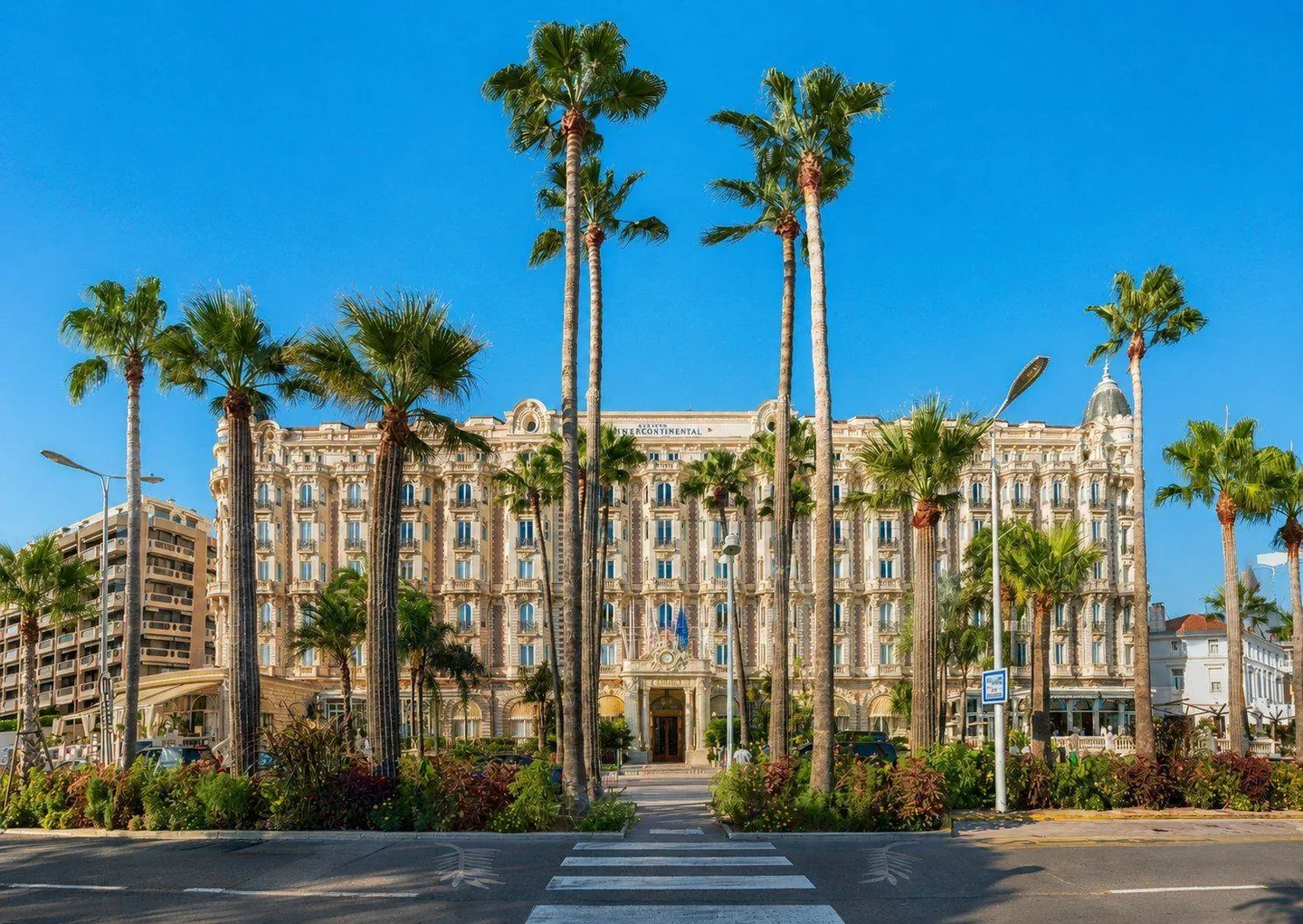
- La Croisette, for the town of the winter visitors and the Festival.
Who this article is for, and when to reread it
- Visitors to Cannes who want to go beyond La Croisette.
- History lovers: Le Suquet, Lérins and the Iron Mask.
- Before the Festival, to place the sites of the city.
Conclusion
A village of fishermen and monks, a resort for English winter visitors, then a city of cinema: Cannes changed its face in every century, and each of those faces can be visited.
Source consulted on 28 November 2026: “Histoire de Cannes”, Wikipedia (French). Check opening hours of sites before you go.
This blog is published by Vehira, a VTC (chauffeur-driven vehicle) company. Links to maison-vehira.fr lead to our website. Information checked in November 2026; journey times are indicative and vary with traffic.