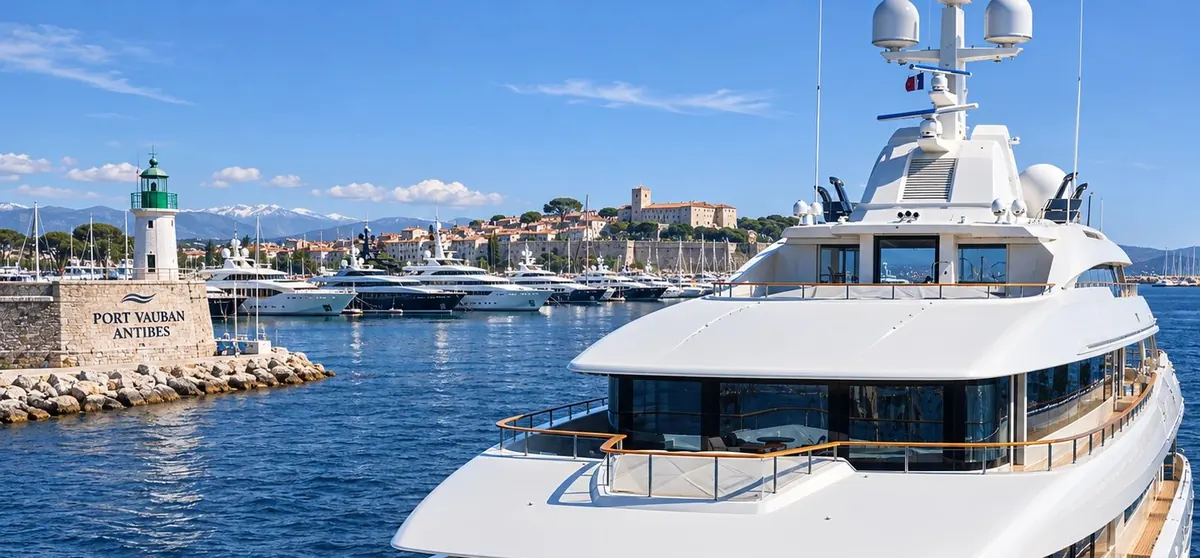
Antibes was Greek, Roman, then a border town of the kingdom of France until 1860: its history can be read in Fort Carré, in Vauban’s fortifications and in the Château Grimaldi, where Picasso set up his studio in 1946. Here are the dates to know, and how to find them on the ground.
From Antipolis to Rome
- 4th century BC: Antipolis was founded by Phocaeans from Marseille.
- 49 BC: Rome took control of the town, which then received the status of a city under Roman law. Aqueducts, a theatre, an amphitheatre and domus bear witness to it. Pliny mentions its production of fish brine.
A border town
- 1388: with the surrender of Nice to Savoy, the border settled along the Var. Antibes became a border town of the kingdom of France.
- 16th century: Fort Carré was built, on the Saint-Laurent tower.
- 17th century: Vauban visited Antibes (1682, 1693, among others) and had the fortifications strengthened.
- 1648: work began on the jetty and channel of the harbour, with a bastion in 1652: the future Port Vauban.
- 1860: the union of the County of Nice with France placed Antibes in the new department of the Alpes-Maritimes.
Picasso at the Château Grimaldi
The Château Grimaldi houses the Picasso Museum. The artist set up his studios there in 1946; the château became the Picasso Museum in 1966.
Cap d’Antibes
At the end of the 19th century, urban development spread towards Cap d’Antibes, with the Belle Époque and the decades that followed.
What to see today
- Fort Carré, for the border;
- Port Vauban and the ramparts, for Vauban’s town;
- The Château Grimaldi and the Picasso Museum;
- Cap d’Antibes, for the resort era.
Who this article is for, and when to reread it
- Visitors to Antibes who want to understand the ramparts before walking along them.
- Art lovers, for the link between the town and Picasso.
- Before a museum visit, as opening hours change.
Conclusion
Greek, Roman, a border town, then a resort: Antibes keeps its layers of history visible, from Fort Carré to the Château Grimaldi.
Source consulted on 28 November 2026: “Antibes”, Wikipedia (French). Check opening hours of sites before you go.
This blog is published by Vehira, a VTC (chauffeur-driven vehicle) company. Links to maison-vehira.fr lead to our website. Information checked in November 2026; journey times are indicative and vary with traffic.